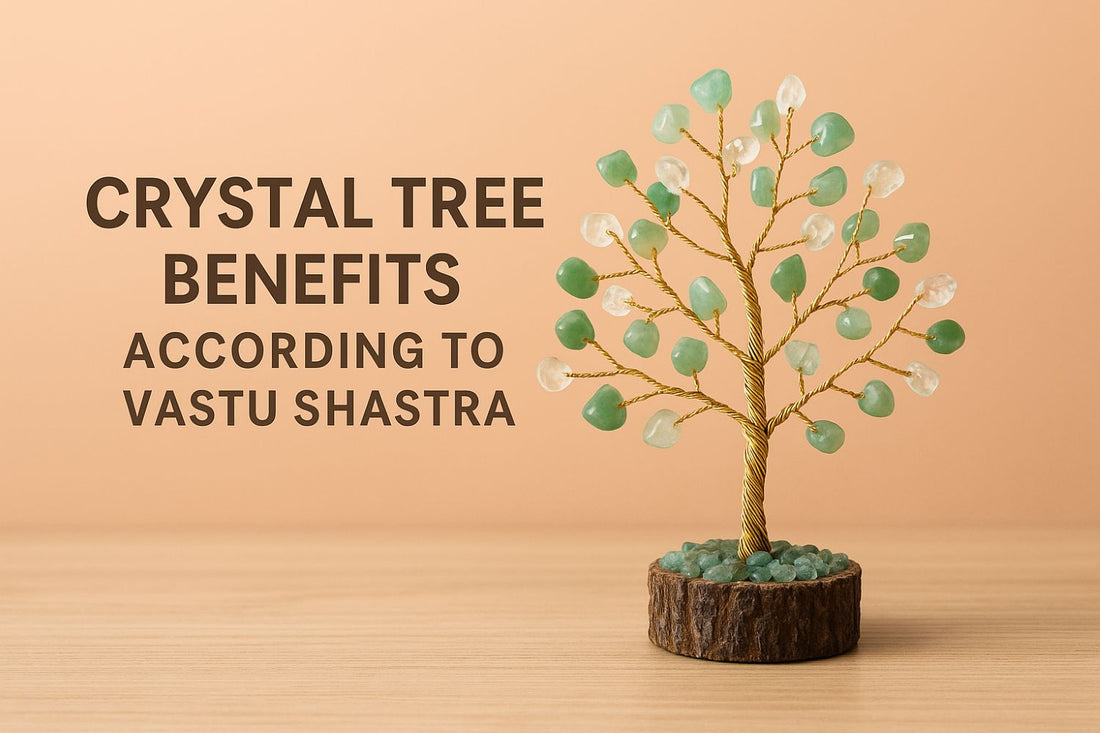
Quick Answer: Crystal Tree Benefits According to Vastu
In Vastu Shastra a crystal tree is a placement object, so its meaning comes from where it sits. Tradition links the south-east with wealth intent, the north-east with spiritual practice and wisdom, and the east with growth and new beginnings. These are traditional associations carried by the texts and by custom, not tested mechanisms.
If you’ve ever walked into a home or office and noticed a sparkling little tree made of crystals, that’s a crystal tree. These aren’t just pretty decorations—they’re believed to attract positive energy, luck, and prosperity. According to Vastu Shastra, the ancient Indian science of placement, a crystal tree can shift the energy of a space and bring balance to your life.
So, let’s explore how a crystal tree works, the benefits it offers, and where to place it for the best results.
What is a Crystal Tree?
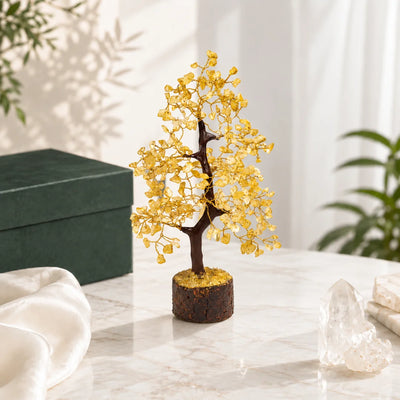
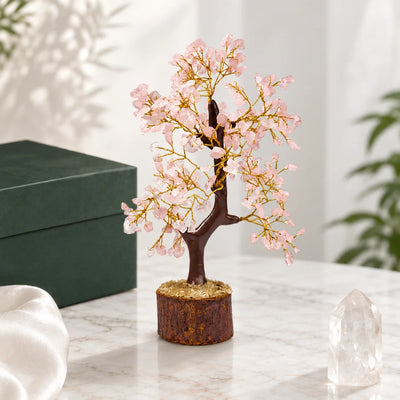
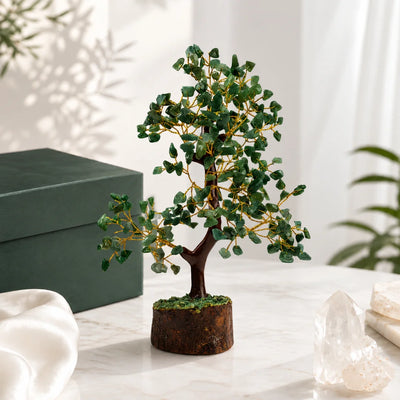
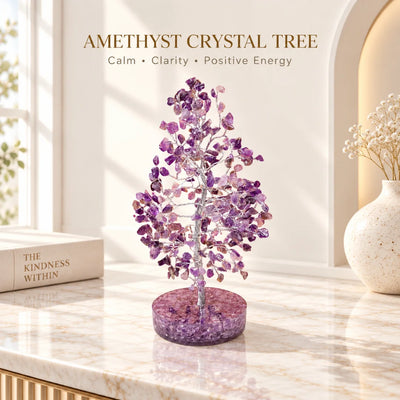
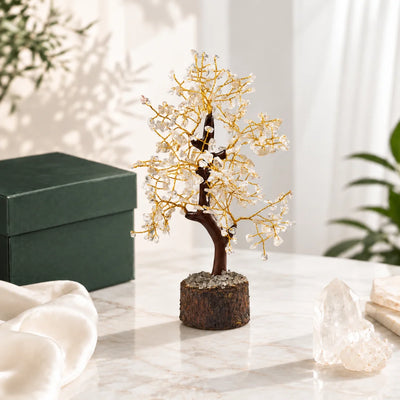
A crystal tree is a decorative tree made of wire branches and natural crystals like amethyst, citrine, green aventurine, rose quartz, or clear quartz. Each type of crystal carries its own energy, and when arranged in a tree shape, it symbolizes growth, stability, and abundance.
Think of it as a tiny energy booster for your home or office.
Crystal Tree Benefits According to Vastu Shastra
Here are the main crystal tree benefits when used in line with Vastu Shastra:
-
Associated with Wealth & Luck – Placing a crystal tree for luck in the southeast corner (wealth corner) is said to invite financial growth.
-
Associated with Peace & Harmony – Amethyst and rose quartz trees are traditionally kept in the living room as symbols of calm and togetherness.
-
Associated with Career & Studies – A crystal tree on a study table or office desk is a traditional marker of intent for learning and new opportunities.
-
Associated with Growth & New Beginnings – Green aventurine or clear quartz trees are traditionally placed in the east, the direction Vastu links with growth and fresh starts.
-
Shields from Negativity – Black tourmaline or obsidian trees help absorb negative vibes in the home.
Where to Place a Crystal Tree (Vastu Tips)
| Crystal Tree Type | Best Placement (Vastu) | Traditional Association |
| Citrine | Southeast (Wealth Corner) | Money, success, business growth |
| Rose Quartz | Southwest (Love Corner) | Love, harmony, emotional healing |
| Green Aventurine | East (Growth Zone) | Growth, new beginnings, family bonding |
| Amethyst | North-East (Spiritual Zone) | Peace, wisdom, meditation |
| Clear Quartz | Center of the Home | Energy balance, positivity |
Placement matters. Even the best tree won’t show results if kept in the wrong direction.
For a room-by-room walkthrough of directions, see where to place a 7 chakra tree for maximum energy flow.
What Vastu Shastra Actually Is
Vastu Shastra is a traditional Indian system of architecture and spatial arrangement. Its roots go back to the Vastu Shastra texts, a body of Sanskrit writing on how buildings, rooms, entrances and objects should be oriented in relation to the cardinal directions, light and the flow of daily life. It was originally applied to temples, palaces and homes, long before it was applied to décor objects like crystal trees.
It is worth being plain about what this is. Vastu is a tradition, not a tested science. There is no evidence that a stone placed in one corner rather than another changes an outcome, and this page does not claim otherwise. What Vastu does carry is real cultural meaning: for a great many Indian households it is the shared language for how a home should be arranged, and following it is an act of continuity and intention rather than a technical procedure. A crystal tree placed by Vastu is best understood as a deliberate, meaningful object in your space — a reminder of an intention you have set.
Vastu vs Feng Shui: They Are Not the Same Thing
Crystal tree articles online use the two words as if they were interchangeable. They are not, and if you are searching "crystal tree vastu" you are not searching for Feng Shui.
-
Vastu Shastra is Indian. It orients by cardinal direction measured from the centre of the home. North-east, south-east and so on are actual compass directions, the same for every house, and you find them with a compass from the middle of the floor plan.
-
Feng Shui is Chinese. In its most popular modern form it works with the bagua map, a nine-square grid laid over the floor plan relative to the main entrance. The "wealth area" is therefore a position on that grid, not a compass bearing, and it moves depending on which way you walk in.
This matters for one very common instruction. The south-east wealth corner is a Feng Shui idea that has been widely absorbed into Indian crystal practice over the last few decades, to the point that it is now repeated as though it were classical Vastu. In traditional Vastu the south-east (Agneya) is the fire zone, which is why the kitchen is placed there. If you follow the south-east wealth-corner rule, follow it knowing where it came from — it is a borrowed convention, not a line from the Vastu texts.
Practically: pick one system and stay with it. Mixing a bagua-map wealth corner with a compass-direction Vastu layout in the same room just produces a contradiction you cannot resolve.
Is It Good to Gift a Crystal Tree?
Yes! A crystal tree is considered an auspicious gift. According to Vastu, gifting one means you’re sharing luck, blessings, and positivity with the receiver. It’s perfect for housewarmings, weddings, birthdays, or business openings.
How to Cleanse a Crystal Tree
Just like crystals, a crystal tree also needs cleansing to recharge its energy. Some simple methods:
-
Cleanse with sage or incense.
-
Placing under moonlight overnight.
-
Wiping gently with a clean cloth while setting an intention.
Do this once a month or whenever the energy feels “stuck.”
Never Wash or Soak a Crystal Tree
This is the one care rule that actually matters, because it is physical rather than traditional. A crystal tree is wire and glue: the chips are held on by wrapped wire, and the trunk is set into the base with adhesive. Water works into the wire wraps and into the base adhesive and loosens them, so over time the wraps slacken and the trunk goes wobbly. Never rinse it, never soak it, and don’t use a damp cloth on the base. Dust it dry — a soft dry brush between the branches, a dry cloth on the base.
Quick Takeaway
-
A crystal tree isn’t just décor—it’s a powerful Vastu tool for positivity.
-
Placement matters: each crystal tree works best in specific corners of your home.
-
They make wonderful gifts and should be cleansed regularly.
If you’re new to crystals, starting with a green aventurine or citrine crystal tree is a great choice—they’re beginner-friendly and bring visible benefits.
Also Read - How to Choose the Right Crystal Tree
Frequently Asked Questions
Q1: What does a crystal tree do?
It balances energy, brings positivity, and attracts luck, money, or peace depending on the type of crystal.
Q2: Is it good to gift a crystal tree?
Yes, it’s considered a lucky and thoughtful gift in Vastu.
Q3: How to cleanse a crystal tree?
Smudge it, keep it under moonlight, or gently wipe while setting your intention.
Q4: Which crystal tree is best for luck?
Citrine, green aventurine, and pyrite trees are the most recommended for luck and wealth.
Q5: Is the crystal tree wealth corner Vastu or Feng Shui?
The south-east "wealth corner" comes from Feng Shui and has been absorbed into Indian crystal practice. Classical Vastu treats the south-east as the fire zone. Both are traditions, so choose the one you want to follow and stay consistent.
Browse the full range of crystal trees, or read our guides on where to place a 7 chakra tree and how to choose the right crystal tree for your needs.
Ready to welcome positivity? A Reiki-infused crystal tree from Calminds could be the perfect start to balancing your home’s energy while also adding beauty to your space.
Shop the products in this guide
Natural stones, free delivery and cash on delivery across India.