Anxiety and stress can affect daily life, and many people explore complementary practices such as mindfulness, breathing exercises, meditation, and crystal traditions as part of a personal self-care routine. Crystals should not be presented as treatments for anxiety, panic attacks, insomnia, or any other medical or mental-health condition. If anxiety is persistent, severe, or affecting daily life, professional support is important.
Crystal traditions often use stones as visual or tactile reminders to pause, breathe, reflect, and set an intention. In this guide, the descriptions below refer to traditional or spiritual associations rather than medically proven effects.
Quick Answer: Crystals Commonly Chosen for Calm & Grounding
In crystal traditions, these stones are commonly selected for calm, grounding, self-reflection, and personal intention-setting. These are traditional associations, not proven medical effects:
- Lepidolite: traditionally associated with emotional balance and gentle reflection.
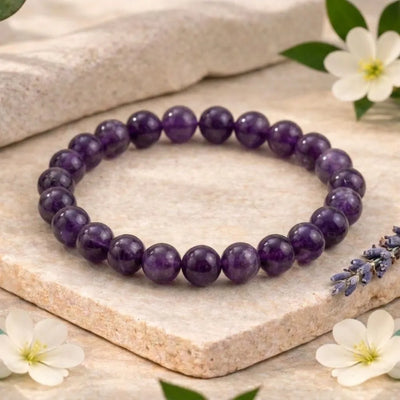
- Amethyst: commonly used in meditation and quiet evening routines.
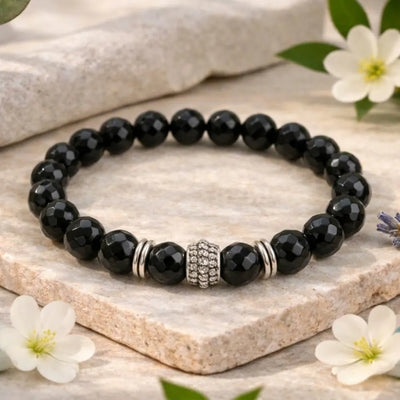
- Black Tourmaline: traditionally associated with grounding and protection.
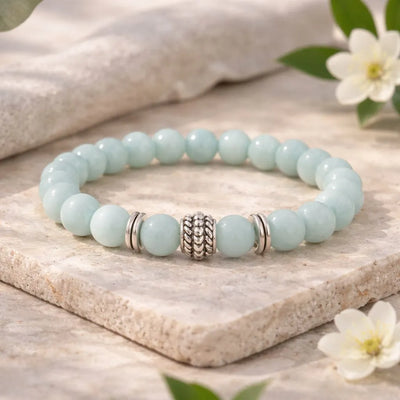
- Amazonite: often chosen for calm communication and confidence.
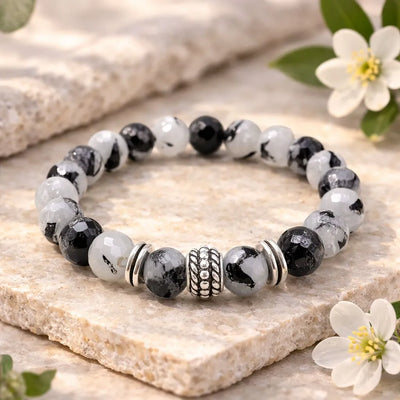
- Black Rutile Quartz: used by some people as a grounding focus during reflection.
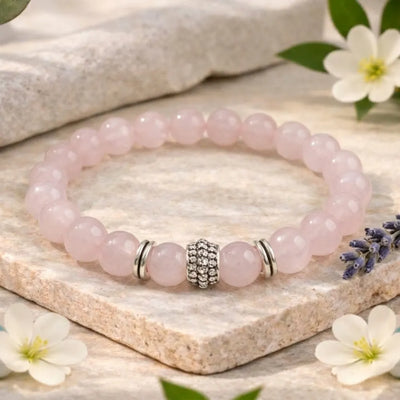
- Rose Quartz: traditionally associated with self-love, compassion, and comfort.
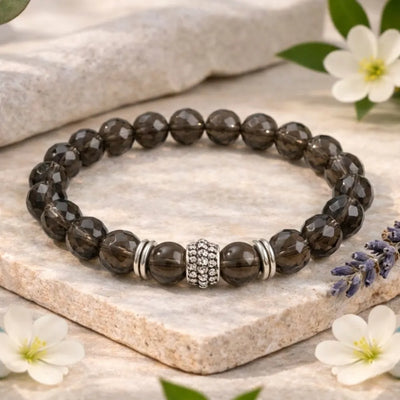
- Smoky Quartz: commonly used as a grounding stone in crystal practices.
Holding a crystal during slow breathing can serve as a simple mindfulness cue. Crystals do not diagnose, prevent, or treat anxiety or other health conditions.
How Are Crystals Used in Calm & Grounding Practices?
Crystal practices are generally based on personal intention, symbolism, meditation, and spiritual traditions. Some people choose a particular stone because its colour, texture, meaning, or cultural association helps them create a calming ritual.
There is no established medical evidence that a crystal's vibration changes the nervous system or treats anxiety. For that reason, Calminds presents crystal use here as a complementary personal practice rather than a medical intervention.
Important: Crystals should not replace therapy, medication, diagnosis, or advice from a qualified healthcare professional.
Top 7 Crystals for Calm, Grounding & Personal Reflection
| Crystal | Traditional Association | Common Personal Use |
|---|---|---|
| Lepidolite | Emotional balance | Quiet reflection |
| Amethyst | Calm and spiritual awareness | Meditation or evening routines |
| Black Tourmaline | Protection and grounding | Grounding rituals |
| Amazonite | Calm communication | Confidence and intention-setting |
| Black Rutile Quartz | Grounding and focus | Mindful reflection |
| Rose Quartz | Self-love and compassion | Self-care rituals |
| Smoky Quartz | Grounding and steadiness | Mindfulness practices |
These descriptions reflect traditional crystal practices and personal-use ideas, not clinical evidence or guaranteed outcomes.
1. Lepidolite – A Traditional Stone for Emotional Balance

Common use: Quiet reflection, meditation, and intention-setting.
Lepidolite is traditionally associated with emotional balance and gentle, reflective practices. It contains lithium as a naturally occurring mineral component, but that does not mean a Lepidolite crystal or bracelet provides the medical effects of lithium-based medicines.
How to use: Hold a Lepidolite stone during slow breathing or journaling as a tactile reminder to pause and reflect.
2. Amethyst – A Popular Meditation Stone

Common use: Meditation, quiet time, and evening wind-down routines.
Amethyst has a long-standing place in crystal and spiritual practices. Some people associate it with calm, reflection, and spiritual awareness. These associations are traditional rather than medically established effects.
Mindfulness idea: Keep an Amethyst cluster near a journal or meditation space as a visual cue for a quiet routine.
3. Black Tourmaline – A Traditional Grounding Stone

Common use: Grounding and personal intention-setting.
Black Tourmaline is traditionally associated with protection and grounding. Some people carry or wear it as a symbolic reminder to stay present in busy or demanding environments. Claims about blocking EMF, absorbing harmful energy, or providing continuous protection are not medically established.
Recommended practice: Wear or carry the stone as part of a personal grounding ritual if you enjoy crystal traditions.
4. Amazonite – A Traditional Stone for Calm Communication
Common use: Reflection around communication, confidence, and personal expression.
Amazonite is traditionally associated with communication and balance. Some people include it in meditation or intention-setting practices before presentations, conversations, or other situations where they want to feel more prepared and focused. It is not a treatment for social anxiety or any medical condition.
5. Black Rutile Quartz – A Focus & Grounding Stone
Common use: Mindful reflection and intention-setting.
Black Rutile Quartz is valued by crystal enthusiasts for its distinctive inclusions and is sometimes associated with grounding and focus. If you enjoy working with crystals, it can be used as a tactile reminder to pause, breathe, and return attention to the present moment.
6. Rose Quartz – A Traditional Symbol of Self-Love
Common use: Self-care, compassion, and reflective practices.
Rose Quartz is widely associated in crystal traditions with love, compassion, and self-care. Many people use it during journaling, meditation, or other personal rituals as a symbolic reminder to practise kindness toward themselves.
7. Smoky Quartz – A Traditional Grounding Stone
Common use: Grounding and mindful presence.
Smoky Quartz is traditionally associated with grounding and steadiness. Some people keep it nearby during meditation or journaling as a physical reminder to slow down and focus on the present.
How Crystals Can Fit Into a Personal Wellness Routine
Crystals can be used as simple, non-medical mindfulness cues. For example:
- Slow breathing: Hold a crystal while taking a few comfortable, unhurried breaths.
- Journaling: Keep a favourite stone nearby while writing about goals, gratitude, or daily experiences.
- Meditation: Place a crystal beside your meditation space as a visual reminder to pause.
- Intention-setting: Choose a stone whose traditional symbolism matches the intention you want to focus on.
These practices may be meaningful as personal rituals, but they should not be described as proven treatments for anxiety, stress, sleep problems, panic, trauma, or other health conditions.
Which Crystal Should You Choose?
- For grounding: Black Tourmaline or Smoky Quartz
- For meditation: Amethyst
- For self-love: Rose Quartz
- For calm communication: Amazonite
- For reflective routines: Lepidolite or Black Rutile Quartz
Choose based on the crystal's appearance, traditional meaning, and the kind of personal ritual you enjoy. There is no medically proven "best crystal" for anxiety.
How to Use Crystals Safely as a Personal Practice
Use crystals as complementary personal or spiritual tools rather than healthcare products. You can wear a bracelet, carry a tumble stone, or place a crystal in a meditation or journaling space. Stop using a crystal if it causes skin irritation or discomfort, and follow any care instructions for the specific mineral or jewellery.
For breathing exercises, use a comfortable pace rather than forcing long breath holds. If you experience significant anxiety, panic symptoms, persistent sleep problems, or distress that interferes with everyday life, seek advice from a qualified healthcare professional.
Conclusion: Using Crystals Mindfully
Crystal traditions can be part of a personal mindfulness or spiritual routine when approached with realistic expectations. Amethyst, Rose Quartz, Black Tourmaline, Lepidolite, Amazonite, Black Rutile Quartz, and Smoky Quartz each have traditional associations that some people find meaningful.
The safest approach is to enjoy crystals for their symbolism, beauty, and role in personal rituals without treating them as medical cures or substitutes for professional care.
Frequently Asked Questions About Crystals for Anxiety
Which crystal is best for anxiety?
There is no scientifically established best crystal for anxiety. In crystal traditions, Lepidolite, Amethyst, Rose Quartz, and Black Tourmaline are commonly associated with emotional balance, calm, self-care, or grounding.
Is Amethyst good for anxiety?
Amethyst is traditionally used in meditation and quiet routines. It has not been established as a medical treatment for anxiety.
Which crystal is used for overthinking?
Some crystal enthusiasts choose Amethyst or Black Rutile Quartz as a symbolic focus during journaling or meditation. Any calming effect should be understood as a personal experience rather than a proven medical effect.
Which crystal is used for an evening wind-down routine?
Amethyst and Lepidolite are commonly selected in crystal traditions for quiet reflection and evening rituals. They should not be presented as treatments for insomnia or sleep disorders.
Can I wear crystal bracelets every day?
Yes, many people wear crystal bracelets as jewellery or as part of a personal mindfulness practice. Choose comfortable jewellery and follow appropriate care instructions.
Can I wear more than one crystal bracelet together?
Yes. You can combine crystals based on their appearance or traditional symbolism. There is no established medical need to combine particular stones.
How do I cleanse my crystal bracelet?
Common crystal-care practices include moonlight, sound, smoke, or placing suitable stones on a Selenite plate. Check the care requirements of the specific mineral and bracelet materials before using water, salt, heat, or sunlight.
How long does it take to feel the effects of crystals?
There is no established medical timeframe for crystal effects. Some people may find a ritual immediately calming as a mindfulness cue, while others simply enjoy the symbolism or routine.
Which crystal is used for social confidence?
Amazonite is traditionally associated with communication and confidence. It is not a treatment for social anxiety.
Are crystals a substitute for therapy or medication?
No. Crystals are complementary personal or spiritual tools and should not replace professional medical advice, diagnosis, therapy, or prescribed treatment.
Need a simple crystal routine? Explore the Calminds Bracelet Collection
Shop the products in this guide
Natural stones, free delivery and cash on delivery across India.