Quick answer: The benefits people associate with stone bracelets are mostly traditional and personal: a daily reminder of an intention, a connection with natural materials, and style. In crystal tradition amethyst is linked to calm, rose quartz to self-love, citrine to prosperity and black onyx to protection. These are traditional meanings, not proven effects, and a bracelet is not a substitute for medical advice.
Looking for something that’s stylish and good for your well-being? Stone bracelets aren’t just pretty accessories — they’ve been used for centuries to promote balance, positivity, and inner peace. Many people today explore both stone bracelet benefits and crystal bracelet benefits because natural gemstones are believed to carry unique energies that support emotional wellness and personal growth.
Whether you wear them for fashion, healing energy, or mindfulness, gemstone bracelets have a lot to offer. In this blog, we’ll explore 10 surprising stone bracelet benefits and how crystal bracelets can support both men and women in everyday life.
Top 10 Stone Bracelet Benefits
1. Boosts Emotional Balance
One of the most popular crystal bracelet benefits is emotional balance. Wearing a stone bracelet can act as a small daily cue to pause and check in with yourself. Stones like amethyst are traditionally associated with calm, while rose quartz is traditionally associated with self-love and compassion.
2. Traditionally Linked With Vitality
Certain stones, such as turquoise or black tourmaline, are traditionally associated with vitality and balance in folk crystal practice. Many people choose crystal bracelets as daily reminders of the intentions they have set.
3. Traditionally Associated With Restful Evenings
Stones such as howlite or lepidolite are traditionally associated with calm and with night-time ritual. A stone beads bracelet made with these crystals is often worn as part of a wind-down routine before bedtime.
4. Enhances Focus and Concentration
Students and professionals often explore crystal bracelet benefits for improved focus. Stones like hematite are believed to support concentration and clear thinking.
5. Helps with Manifestation
Many people use a gemstone bracelet to set intentions and attract opportunities. For example, citrine is often called the “stone of success” and is believed to attract prosperity and abundance.
6. Encourages Spiritual Growth
Crystals like clear quartz are commonly used during meditation because they amplify energy and awareness. Wearing a crystal bracelet can help support mindfulness and spiritual development.
7. Acts as a Protective Shield
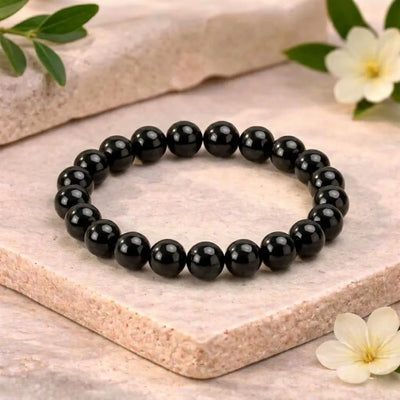
Protective stones such as black obsidian or black onyx are worn to block negative energy. These crystals are often chosen by people looking for protection and grounding.
8. Improves Confidence
Wearing a stone bracelet can act as a daily reminder of your intentions and goals. This small accessory can help boost confidence and motivation throughout the day.
9. Connects You With Nature
One of the unique crystal bracelet benefits is the connection to natural earth energy. A bracelet made from natural stones helps you carry a piece of nature wherever you go.
10. A Timeless Fashion Statement
Apart from wellness benefits, stone bracelets are stylish accessories that match almost every outfit. They combine fashion with meaning, making them popular for everyday wear.
Stone Bracelet for Men
A stone bracelet for men is more than just an accessory. Many men choose crystals that represent strength, grounding, and focus. Popular options include:
• Tiger’s Eye – courage and confidence
• Black Onyx – protection and grounding
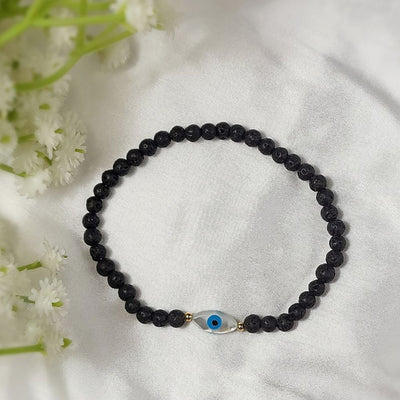
• Lava Stone – calmness and focus
These bracelets are bold, minimal, and easy to pair with both workwear and casual outfits.
Stone Bracelet for Women
For women, stone bracelet benefits are often associated with emotional balance and self-love. Popular crystals include:
• Rose Quartz – love and compassion
• Amethyst – peace and stress relief
• Moonstone – intuition and feminine energy
A gemstone bracelet not only adds elegance but also helps women connect with their inner strength. Available at Calminds, where every crystal is selected with care.
Conclusion
Stone bracelets are more than beautiful accessories. The growing interest in stone bracelet benefits and crystal bracelet benefits shows how many people appreciate the connection between natural gemstones and personal well-being.
Whether you’re seeking emotional balance, spiritual growth, or simply a stylish accessory, crystal bracelets are a meaningful way to carry positive energy with you every day.
Also Read - Types of Crystal Bracelet Beads and Their Benefits
FAQs
What are the benefits of stone bracelets?
Stone bracelet benefits include emotional balance, confidence, protection from negative energy, and overall wellness.
What are crystal bracelet benefits?
Crystal bracelet benefits are believed to include improved focus, emotional stability, positive energy, and spiritual growth.
What does the evil eye bracelet mean?
The evil eye bracelet is worn as a symbol of protection against negative intentions and harmful energy.
Which bracelet attracts money?
A citrine stone bracelet is commonly believed to attract prosperity and financial opportunities.
Which is the best stone bracelet?
The best bracelet depends on your intention — rose quartz for love, amethyst for peace, citrine for money, and black tourmaline for protection.
What Each of These Stones Actually Is
Bracelet listings rarely tell you what the bead is made of or how tough it is. Here are the stones named on this page, with the mineral family each belongs to, its hardness on the Mohs scale, and one honest care note.
| Stone | What it actually is | Mohs hardness | Care note |
|---|---|---|---|
| Amethyst | Quartz (silicon dioxide), purple variety | 7 | Hard-wearing, but strong sunlight can fade the purple over time. |
| Rose Quartz | Quartz, pink variety | 7 | Durable; the pink colour can also pale with long sun exposure. |
| Clear Quartz | Quartz in its pure, colourless form | 7 | Very robust. Shows chips at the drill hole if knocked. |
| Citrine | Quartz, yellow to orange variety (much of it heat-treated amethyst) | 7 | Hard, but heat-treated colour can fade with prolonged sunlight. |
| Tiger’s Eye | Quartz with fibrous inclusions that create the chatoyant sheen | 7 | Tough. Avoid abrasive polishes, which dull the sheen. |
| Black Onyx | Chalcedony, a microcrystalline quartz (commonly dyed) | 7 | Hard, but dyed material can lose depth of colour if soaked. |
| Black Tourmaline | Borosilicate mineral (schorl) | 7–7.5 | Hard but brittle along its length; avoid sharp knocks. |
| Hematite | Iron oxide | 5–6 | Heavy and softer than quartz. Sweat and humidity dull the metallic polish. |
| Turquoise | Hydrated copper aluminium phosphate | 5–6 | Porous; often stabilised with resin. Keep away from perfume, oils and lotions. |
| Moonstone | Feldspar (orthoclase–albite) | 6–6.5 | Chips easily along its cleavage. The most fragile common bracelet bead. |
| Obsidian | Volcanic glass — not a mineral at all, as it has no crystal structure | 5–5.5 | Scratches readily and can chip to a sharp edge. Store on its own. |
| Howlite | Borate mineral (frequently dyed blue and sold as turquoise) | 3.5 | Soft. Scratches against almost anything else on the wrist. |
| Lava Stone | Basalt — a volcanic rock, porous and light | Roughly 5–6 (variable, as it is a rock rather than a single mineral) | Porous and absorbent. Oils and dirt soak in and are hard to remove. |
What Mohs Hardness Means in Practice
The Mohs scale simply ranks which materials scratch which. A stone will scratch anything softer than itself and will be scratched by anything harder. It is a relative ranking, not a measurement of strength — a hard stone can still be brittle and chip if dropped.
This has one very practical consequence that stone bracelet listings almost never mention: do not stack bracelets of very different hardness on the same wrist, and do not store them together in the same box or pouch. A quartz bracelet at Mohs 7 sitting against a howlite bracelet at 3.5 will quietly sand the howlite down over a few months of wear. Moonstone at 6–6.5, obsidian at 5–5.5 and turquoise at 5–6 lose the same argument against any quartz bead.
Two simple habits solve it. Wear softer stones on the opposite wrist to your quartz pieces, or separate them with a spacer bracelet. And store each bracelet in its own small pouch rather than loose in a shared tray — it is the storage, not the wearing, that does most of the damage.
Wearing and Caring for a Stone Bracelet: Practical Questions
Which wrist should I wear a stone bracelet on?
There is no rule that holds across traditions. A common convention in modern crystal practice is the left wrist for stones you are wearing as a reminder to yourself and the right for outward-facing intentions, but this is a custom, not a property of the stone. The practical considerations matter more: most people wear bracelets on the non-dominant wrist, where they take fewer knocks against desks and doorframes. Softer stones especially belong there.
Can I wear several stone bracelets at once?
Yes, with one caution — check the hardness column above before you stack. Bracelets of similar hardness sit together happily. Mixing a Mohs 7 quartz bracelet with a Mohs 3.5 howlite one means the softer beads will pick up scratches. If you like the stacked look, either keep the stack within a similar hardness range or split it across both wrists.
Do stone bracelets need cleansing?
Cleansing is a ritual practice, not a physical process — there is no measurable change to a stone from being placed in moonlight or passed through smoke. Whether you do it is a matter of personal practice. Cleaning, on the other hand, is real and worth doing: wipe beads with a soft dry or slightly damp cloth to remove skin oils, sunscreen and perfume residue, which dull the polish on almost every stone.
Can stone bracelets get wet?
This depends entirely on the stone, and blanket answers are wrong. Quartz-family stones — amethyst, rose quartz, clear quartz, citrine, tiger’s eye, onyx — tolerate brief contact with water fine, though the elastic cord and any metal spacers usually degrade before the beads do. Turquoise and lava stone are porous and will absorb water along with whatever is dissolved in it, so keep them dry. Dyed stones such as much black onyx and blue howlite can bleed colour if soaked. Very soft minerals in the selenite and halite families dissolve in water outright and should never be rinsed. As a working rule: take any stone bracelet off before showering, swimming or washing up.
How do I know if a stone bracelet is real?
A few checks you can do yourself. Natural stone feels cool to the touch and warms slowly, while plastic and resin reach skin temperature almost immediately. Natural stone is also noticeably heavier than plastic of the same size. Look closely at the beads: genuine material shows small variations, banding and inclusions, while beads that are all identical in colour and pattern usually came out of a mould. Bubbles inside a bead mean glass or resin, never stone. Dyed material often shows concentrated colour in the drill hole and in surface cracks. None of these are conclusive on their own, and the only definitive answer for a valuable piece is a gemmological report identifying the material.
What this is, and what it isn't
The minerals. The stones named on this page are ordinary minerals with measurable properties. Amethyst, rose quartz, citrine and clear quartz are all varieties of quartz — silicon dioxide, SiO2, Mohs hardness 7. Black tourmaline is a complex borosilicate at Mohs 7–7.5. Hematite is an iron oxide at Mohs 5–6. Howlite is a borate mineral and is soft at Mohs 3.5, so it scratches easily. Turquoise is a hydrated copper aluminium phosphate at Mohs 5–6 and is often stabilised with resin before it is cut into beads.
The tradition. Every association described above — calm, confidence, protection, prosperity — comes from folklore and from modern crystal practice, where particular stones are traditionally linked with particular moods, intentions and qualities. These meanings are cultural. They differ between sources, regions and eras, and they are not properties of the mineral itself.
The evidence. There is no peer-reviewed evidence that crystals produce physical or psychological effects. The studies that have examined crystal use found that reported experiences tracked what participants expected to feel, and did not differ between genuine stones and visually identical imitations.
Please note. This article is not medical or psychological advice, and nothing on this page is intended to diagnose, treat, cure or prevent any condition. If you have a health concern, please speak to a qualified doctor or mental health professional. A bracelet is an accessory and a reminder, not a treatment.
Shop the products in this guide
Natural stones, free delivery and cash on delivery across India.