Quick Answer
Diwali is the biggest corporate gifting occasion in India, but it's far from the only one. A well-run gifting calendar also covers New Year, Republic Day client outreach, Holi, Women's Day, financial year-end appreciation, employee onboarding, work anniversaries, and Raksha Bandhan for teams that celebrate it in the workplace. Companies that plan gifting as a year-round calendar — not a single November scramble — tend to get better vendor pricing, more thoughtful gift selection, and noticeably less last-minute stress.
Below is a full month-by-month calendar, plus a closer look at how to plan for each occasion.
Why a Single Diwali Order Isn't a Full Gifting Strategy
Most companies think about corporate gifting exactly once a year, in the six weeks before Diwali. That's understandable — Diwali is genuinely the highest-stakes occasion — but treating it as the *only* occasion leaves real opportunities on the table: client relationships that could be nurtured in January instead of only November, employees who'd notice a small gesture on their work anniversary, and a Women's Day or Holi moment that competitors are increasingly using to stand out.
It also means every year, the same scramble repeats. A calendar approach fixes that — you're never starting from zero, and each occasion has its own lead time already mapped out.
The Full Corporate Gifting Calendar (India, 2026)
| Month | Occasion | Typical Gifting Focus | Plan-Ahead Window |
|---|---|---|---|
| January | New Year | Employees + clients, lighter/symbolic gifts | 3–4 weeks |
| January | Republic Day (26 Jan) | Client outreach, low-key | 2 weeks |
| March | Holi | Employee-focused, festive/colourful gifting | 3–4 weeks |
| March | Financial Year-End | Employee appreciation, target achievement recognition | 4 weeks |
| March | International Women's Day (8 Mar) | Recognition gifting, growing in adoption | 3 weeks |
| April–September | Onboarding & Work Anniversaries | Ongoing, individual not bulk | Rolling, plan a standing SKU |
| August | Raksha Bandhan | Workplace-based team gifting (in teams that celebrate it collectively) | 3–4 weeks |
| October–November | Dhanteras & Diwali | Largest bulk order of the year — employees, leadership, clients | 8–10 weeks (see our Diwali ordering guide) |
| December | Year-End / New Year Lead-In | Client thank-you gifting, wrap-up appreciation | 4 weeks |
This isn't a rigid template — company culture, industry, and client relationships all shape which occasions matter most for you. Think of it as a starting checklist to adapt, not a fixed requirement.
Diwali: The Anchor Occasion

Diwali remains the single largest and highest-stakes corporate gifting occasion in India, and deserves the most planning runway of anything on this calendar. If you're building your gifting strategy around one occasion first, start here — our existing guides cover this in full depth:
- 25 Diwali Gifts Employees Will Not Re-Gift
- How Much Should a Company Spend on Diwali Gifts?
- When Should Companies Order Diwali Gifts?
New Year & Republic Day: Light-Touch Relationship Gifting

January gifting tends to be smaller in scope than Diwali but valuable precisely because fewer companies do it — a genuine way to stand out with clients who receive dozens of Diwali hampers every November and almost nothing in January. A single crystal desk piece with a short handwritten note, sent to your top 10–20 clients, often lands better here than a larger gift would in the crowded Diwali season.
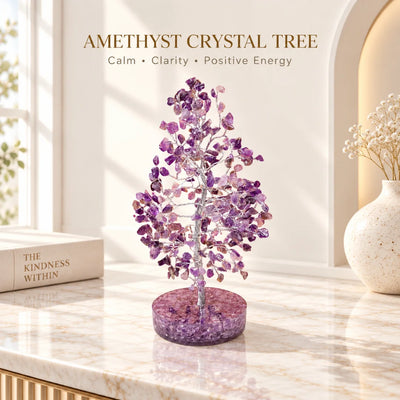
Symbolic gifts work particularly well for this occasion — pieces associated with fresh starts and clarity, like Clear Quartz or Amethyst, fit the "new year, new intentions" framing naturally.
Holi: Festive, Employee-First Gifting
Holi gifting skews heavily toward employees rather than clients, and tends to favour colourful, joyful pieces over the more formal tone of Diwali or client gifting. This is a good occasion for lighter-budget, high-volume gifting — think along the lines of our Gifts Under ₹999 collection — since the goal is a fun, inclusive gesture rather than a premium relationship investment.
Financial Year-End & Women's Day: Recognition-Led Gifting

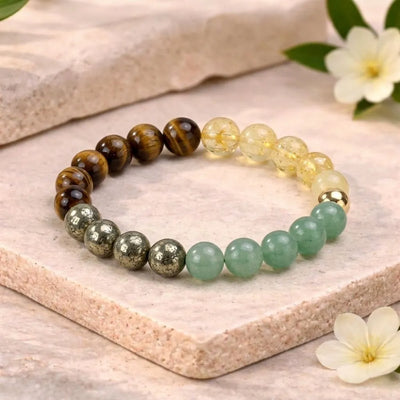
March carries two distinct occasions worth planning for separately. Financial year-end gifting is about recognition — rewarding teams or individuals for hitting targets, closing the year strong, or contributing to a milestone. This is where Money & Success-themed gifts like Citrine or Pyrite pieces fit naturally, tying the symbolism directly to the occasion.
Women's Day gifting has grown meaningfully in Indian corporate culture over recent years, though adoption still varies widely by company. Pieces associated with balance, confidence, and self-worth — Rose Quartz, Moonstone — are common choices for companies that mark this occasion.
Onboarding & Work Anniversaries: The "Always-On" Occasion
Unlike every other entry on this calendar, onboarding and anniversary gifting isn't seasonal — it happens continuously, in small individual quantities rather than one large bulk order. The companies that handle this well pick one or two standing SKUs (a single bracelet or small desk piece) and keep them in rolling stock, rather than re-shopping for a new gift every time someone joins or hits a milestone. If you don't have a standing gift set up for this yet, it's worth adding to your 2026 planning alongside the seasonal occasions above.
Raksha Bandhan: Workplace Team Gifting
Some companies — particularly those with strong sibling-style team culture or a significant number of employees celebrating together in-office — extend a small gesture around Raksha Bandhan, distinct from the personal family celebration. This tends to be lighter-touch than Diwali: a single symbolic piece per person rather than a full gift set, often themed around protection or connection.
Year-End: Closing the Loop with Clients
December, after the Diwali rush has settled, is an underused window for a smaller, warmer client touchpoint — a short thank-you note or a modest year-end gesture to the clients you didn't reach with the full Diwali gifting round, or simply as a second touchpoint before the new year. This is optional for most companies but a genuine differentiator for client-heavy businesses like consulting and BFSI (see our industry budget breakdown for how these sectors typically allocate client-gifting spend).
How to Split Your Annual Gifting Budget Across Occasions
If you're moving from a Diwali-only approach to a full calendar, the natural question is how to divide the budget without diluting the impact of your anchor occasion. A structure that works for most mid-size companies:
| Occasion | % of Annual Gifting Budget | Rationale |
|---|---|---|
| Diwali | 55–65% | Remains the anchor occasion — see our Diwali budget guide for detailed tier benchmarks |
| New Year + Year-End (combined) | 10–15% | Lighter-touch client gifting, high differentiation value at low cost |
| Holi | 8–10% | Employee-focused, higher volume but lower per-unit cost |
| Financial Year-End / Women's Day (combined) | 8–10% | Recognition-led, smaller recipient list than all-staff Diwali gifting |
| Onboarding & Anniversaries | 5–8% | Rolling budget, not seasonal — sized against expected hiring/anniversary volume |
This isn't a rigid formula — a client-heavy consulting firm might weight New Year and year-end more heavily, while a large manufacturing company with a bigger blue-collar workforce might weight Holi higher. Use it as a starting split, then adjust based on which occasions your team and clients actually respond to.
Matching Products to Each Occasion
A quick reference for which pieces in our range fit which occasion, useful when you're planning multiple orders across the year rather than a single Diwali shortlist:
- New Year & fresh starts: Amethyst Crystal Tree or Clear Quartz pieces — associated with clarity and new intentions
- Financial year-end recognition: Citrine Orgonite Tree or Pyrite pieces from our Money & Success collection — ties directly to the achievement/target-completion theme
- Holi & employee-wide gifting: Crystal keychains and coasters from Gifts Under ₹999 — colourful, high-volume friendly, low per-unit cost
- Women's Day & recognition gifting: Rose Quartz or Moonstone pieces from our Self-Love collection
- Onboarding & anniversaries: the Money Magnet Bracelet works well as a standing SKU — individually meaningful without needing occasion-specific packaging
How to Build Your Own Internal Gifting Calendar
A simple process that works regardless of company size:
- Pick 3–5 occasions, not all nine — most companies don't need every entry on this calendar, and trying to do all of them dilutes budget and effort. Diwali plus two or three others is a realistic starting point.
- Assign an owner per occasion, so responsibility is explicit — this prevents smaller occasions like Holi or Women's Day from falling through the cracks the way single-owner processes often do.
- Set the ordering lead time for each occasion in advance, so the team isn't rebuilding a timeline from scratch every time — a 3-week lead time for Holi, an 8–10 week lead time for Diwali, and so on.
- Review and adjust annually. What worked (or didn't land) last year should directly inform next year's calendar, not be forgotten until the same occasion comes around again.
Mistakes Companies Make with Multi-Occasion Gifting
- Trying to do every occasion in the first year. Start with 2–3 and expand once the process is smooth, rather than overcommitting immediately.
- Using the same gift for every occasion. A gift that felt fresh at Diwali will feel repetitive by Holi if it's identical — vary the product even if the vendor and process stay the same.
- Skipping the smaller occasions with clients. January and December touchpoints are precisely valuable because they're uncommon — skipping them means missing a low-cost, high-differentiation opportunity.
- Not budgeting onboarding/anniversary gifting separately. This is a different budget category from seasonal bulk gifting (rolling, not seasonal) and gets lost if it's not planned as its own line item.
Frequently Asked Questions
What is the most important corporate gifting occasion in India?
Diwali, by a significant margin — it's the occasion with the highest expectation from both employees and clients, and typically receives the largest share of a company's annual gifting budget.
Should companies gift clients on occasions other than Diwali?
It's optional but increasingly common as a differentiator, since most companies only gift at Diwali. A light-touch New Year or year-end gesture to top clients is a low-cost way to stand out in a season with far less gifting competition.
How many corporate gifting occasions should a company plan for?
Most companies find 3–5 occasions manageable — typically Diwali plus 2–4 others based on company culture and client relationships, rather than attempting every occasion on this calendar.
Is Women's Day a significant corporate gifting occasion in India?
Adoption is growing but still varies widely by company and industry — it's worth considering rather than assuming it's required, especially for companies with a strong internal culture around recognition.
Do onboarding and anniversary gifts need the same lead time as seasonal gifting?
No — these are typically handled as a standing, always-available SKU rather than a seasonal bulk order, precisely because they happen continuously rather than on a fixed calendar date.
Final Thoughts
The companies that get the most out of corporate gifting treat it as a calendar, not a single November deadline. Diwali will always be the anchor — see our full Crystal Corporate Gifts in India guide to start there — but even two or three additional touchpoints across the year meaningfully strengthen how employees and clients experience your company's gifting, without requiring a proportional increase in effort once the calendar and vendor relationship are set up.
Ready to plan your 2026 gifting calendar?
Get a Custom Quote for Any Occasion → | Talk to Our Team About Your Calendar →
Disclaimer: Occasion adoption and gifting norms vary by company, industry, and region. Treat this calendar as a planning starting point, not a fixed requirement.
Shop the products in this guide
Natural stones, free delivery and cash on delivery across India.